

How choices and consequences work in Dawnwalker
How timed actions, inaction, character deaths and competing priorities shape quests and outcomes in The Blood of Dawnwalker.

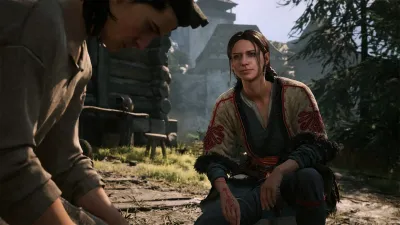
Choices in The Blood of Dawnwalker are not limited to dialogue wheels. Accepting or completing consequential actions can advance the 30-day campaign clock; ignoring a problem leaves it free to develop; and killing or losing a character can remove hours of associated content. The game expects a defensible set of priorities, not a perfect run where everyone is saved.
Four kinds of consequence
| Choice type | What changes | What to check first |
|---|---|---|
| Time commitment | The current day or night advances | Hourglass cost and whether another objective expires |
| Dialogue/action | A relationship, quest state or later scene can change | Immediate wording, involved characters and irreversible warning |
| Inaction | An event proceeds without Coen | Whether the quest describes urgency or a scheduled event |
| Violence/death | A character and their later content may disappear | Whether information, alliances or another resolution remain available |
The system is designed around opportunity cost. A generous act can still be strategically expensive; a ruthless shortcut can save time while destroying a future route. “Good” and “bad” are therefore less useful than asking what this version of Coen values.
How the clock makes decisions real
Between dawn and sunset, the official PlayStation walkthrough divides the day into eight parts. The sun does not move while Coen merely explores or listens. Time advances when the player intervenes through marked actions, and some events happen regardless once their conditions arrive.
This prevents two common misunderstandings. First, the game is not continuously rushing the player during exploration. Second, free exploration does not mean every quest is free: once Coen commits, the schedule records the decision. Learning certain abilities can also cost time, turning character growth into part of the same trade-off.
Action and inaction can both close content
Developers told Game Informer that characters can die and take entire hours of authored content with them. That statement matters more than a generic promise of “branching dialogue.” It means the consequence may be absence: a quest, conversation or ally simply will not exist later because of what the player did.
The reverse is also true. Refusing to intervene is itself a selection. The world is not frozen around Coen, and some people have goals he cannot control. The opening Blood Mass, for example, cannot be cancelled through a hidden perfect sequence; its arrival establishes that the player has agency without being the sole author of every event.
A spoiler-light way to choose priorities
Before spending an hourglass segment, classify the action:
- Family: Does it directly improve the rescue or reveal Brencis’s plan?
- Power: Does it provide a skill, item or tactical advantage worth the time?
- Alliance: Can this person or group affect later access, information or support?
- Principle: Is this something your Coen would do even without a mechanical reward?
Then compare the action with the other objectives currently available in the same time state. Explore and gather clues first when doing so is free. Commit only after understanding what the segment buys. This does not guarantee an optimal ending; it makes the resulting story intentional.
Should you reload every consequence?
Reloading is useful when the interface or wording was unclear, but constantly reversing disliked outcomes works against the game’s central design. A better first-run approach is to keep a manual save before major commitments, accept consequences that follow clearly from your choice, and use later saves or another run to inspect excluded branches.
There is no published universal list of “correct” choices. Exact ending requirements, hidden relationship values and a complete timer for every quest are outside the verified official documentation and can change as post-launch guides are tested.
Sources
Related Articles
Combat
Day and night system
Day and night explained: how time advances, what the eight daytime segments mean, and how Coen's human and vampire forms change quests, combat and exploration.
Guides
Early build and skills
A level-banded early build: free passives first, sword mastery as the backbone, then Soul Reaping by day and Corruption by night, with manuals and gear priorities.
Guides
Endings and branches
Every ending branch by decision point: the three castle-assault allegiances, the deal with Brencis, the early secret endings, and why the counts differ.