

The Blood of Dawnwalker gameplay explained
How exploration, quests, time, combat and Coen's human and vampire forms fit into The Blood of Dawnwalker's gameplay loop.


The Blood of Dawnwalker is a single-player open-world action RPG built around a deliberate choice: exploration itself is free, but consequential actions move a 30-day story clock. You investigate Vale Sangora, discover quests and prepare without a real-time countdown, then decide which objectives deserve a limited time segment. Daytime human skills and nighttime vampire powers make the same world play differently.
The core gameplay loop
- Explore without spending story time. Roam forests, villages, ruins and mountains; uncover points of interest, rumours, clues, treasure and quest opportunities.
- Read the cost before committing. An hourglass marks actions that move time. Quests, some dialogue decisions, learning abilities and switching between day and night can consume a segment.
- Choose the right form for the objective. Human Coen has swordsmanship, witchcraft and easier social access. Vampire Coen gains claws, supernatural senses, feeding and vertical traversal.
- Accept the consequence. Solving one problem can leave another unattended. The world and its characters react to action and inaction rather than waiting for a completionist route.
- Build toward your chosen ending. Family rescue is the central pressure, but preparation, alliances, revenge and discoveries compete for the same limited campaign time.
This is not a conventional open world where a quest log can be cleared without trade-offs. Rebel Wolves describes it as a narrative sandbox: the player decides which strands become their story.
What you actually do in the open world
Official footage and IGN’s eight-minute prologue quest demonstration show more than combat. In the quest Deep Down, young Coen searches an underground ruin for a missing villager, examines an ancient mural, uses investigation to reveal lore and hidden loot, and ends with a sword fight against the Forgotten Guardian. That example establishes a repeatable pattern: observe, collect evidence, find an approach, then resolve the encounter.
The official site lists forests, plains, swamps, mountains, medieval settlements and forgotten ruins as distinct exploration spaces. Points of interest and secrets reward looking beyond quest markers. Fast travel and free exploration do not automatically erase campaign time, so scouting before choosing an hourglass action is a practical part of play rather than procrastination.
Human by day, vampire by night
| State | Main strengths | Main constraints |
|---|---|---|
| Human/day | Sword combat, witchcraft, runic magic, food and potions, conversations in populated areas | Less supernatural mobility and no vampire feeding |
| Vampire/night | Claws, feeding, enhanced senses, Shadowstep, wall movement and other supernatural powers | Blood hunger matters; some human interactions become riskier or unavailable |
The two forms are complementary builds, not a cosmetic transformation. Official presentations show objectives with different entry routes depending on the time of day. A cathedral investigation, for example, can begin with daytime clues while a high opening becomes reachable at night through vampire traversal.
How combat, progression and time connect
Combat uses directional attacks and blocks. Matching an incoming direction reduces the cost of defending, and precise timing creates counterattack opportunities. Human combat combines the sword with witchcraft; nighttime combat adds claws, feeding and vampire abilities. Review and preview coverage consistently notes that early encounters can be demanding until blocking, preparation and ability use begin to work together.
Progression is also a decision instead of a free menu action. Official material divides development among swordsmanship, witchcraft and vampirism. Learning some abilities costs campaign time, so a skill is valuable only if it supports the route and form you intend to use. Day and night loadouts reduce menu work, but they do not remove the need to prepare both halves of Coen.
A useful first-session plan
- Explore Laslea and nearby routes before accepting every timed action you see.
- Practise directional blocking against weak enemies until the visual direction cue makes sense.
- Use daylight for conversations, investigation and human combat; use the first night to test feeding and vertical movement.
- Keep one save before a major hourglass choice if you want to inspect alternatives without pretending one run contains everything.
- Spend early skill time on abilities you can immediately test, rather than unlocking a broad collection with no role in your current approach.
What the game does not promise
The open world is designed around authored locations and branching quests, not infinite procedural activity. The 30-day deadline is not 30 real-world hours, and it does not tick down while you stand still or explore. Completing the clock also is not described as a simple instant game-over; outcomes depend on what Coen accomplished and abandoned.
Sources
Related Articles
Combat
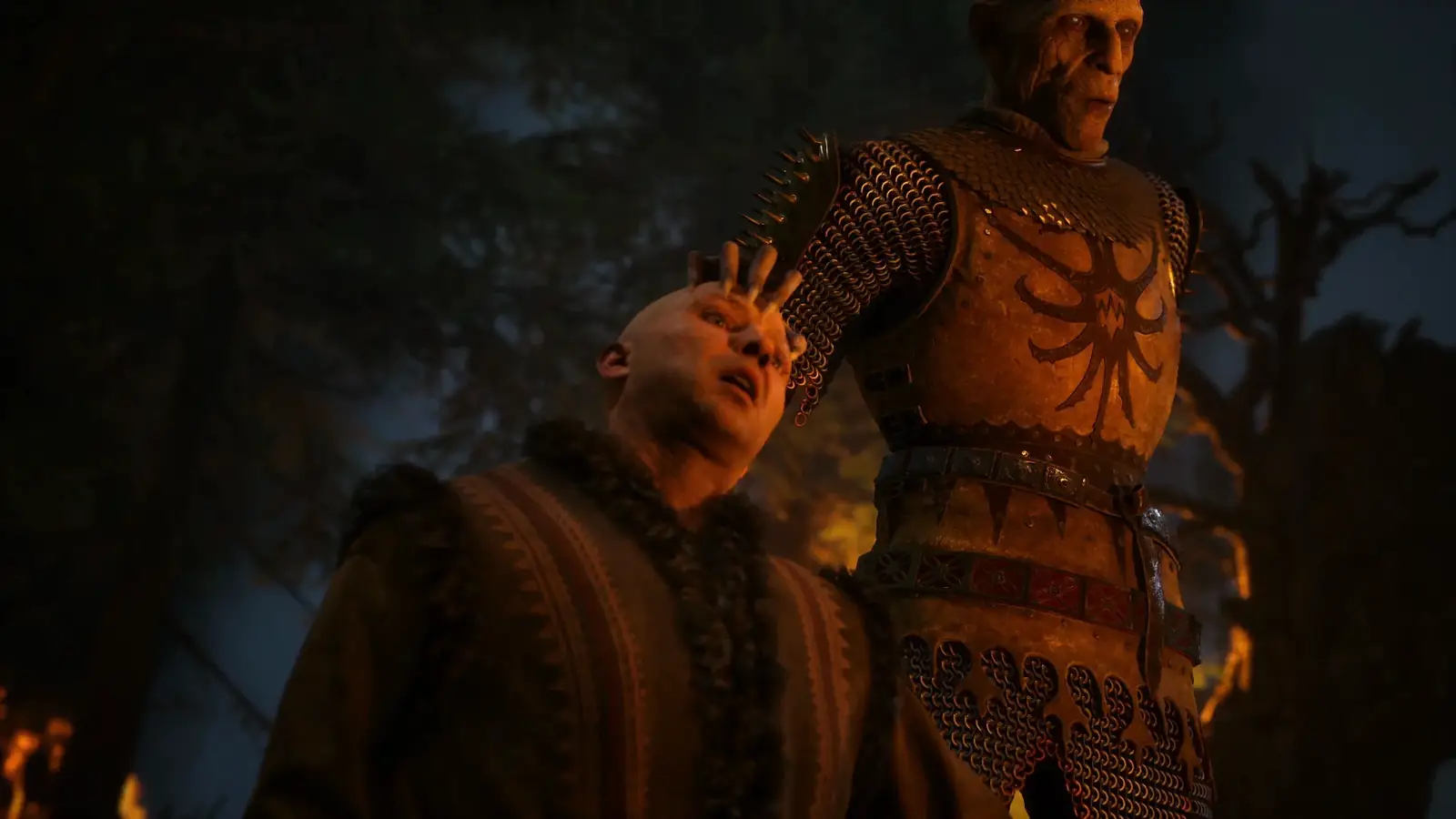
Day and night system
Day and night explained: how time advances, what the eight daytime segments mean, and how Coen's human and vampire forms change quests, combat and exploration.
Combat
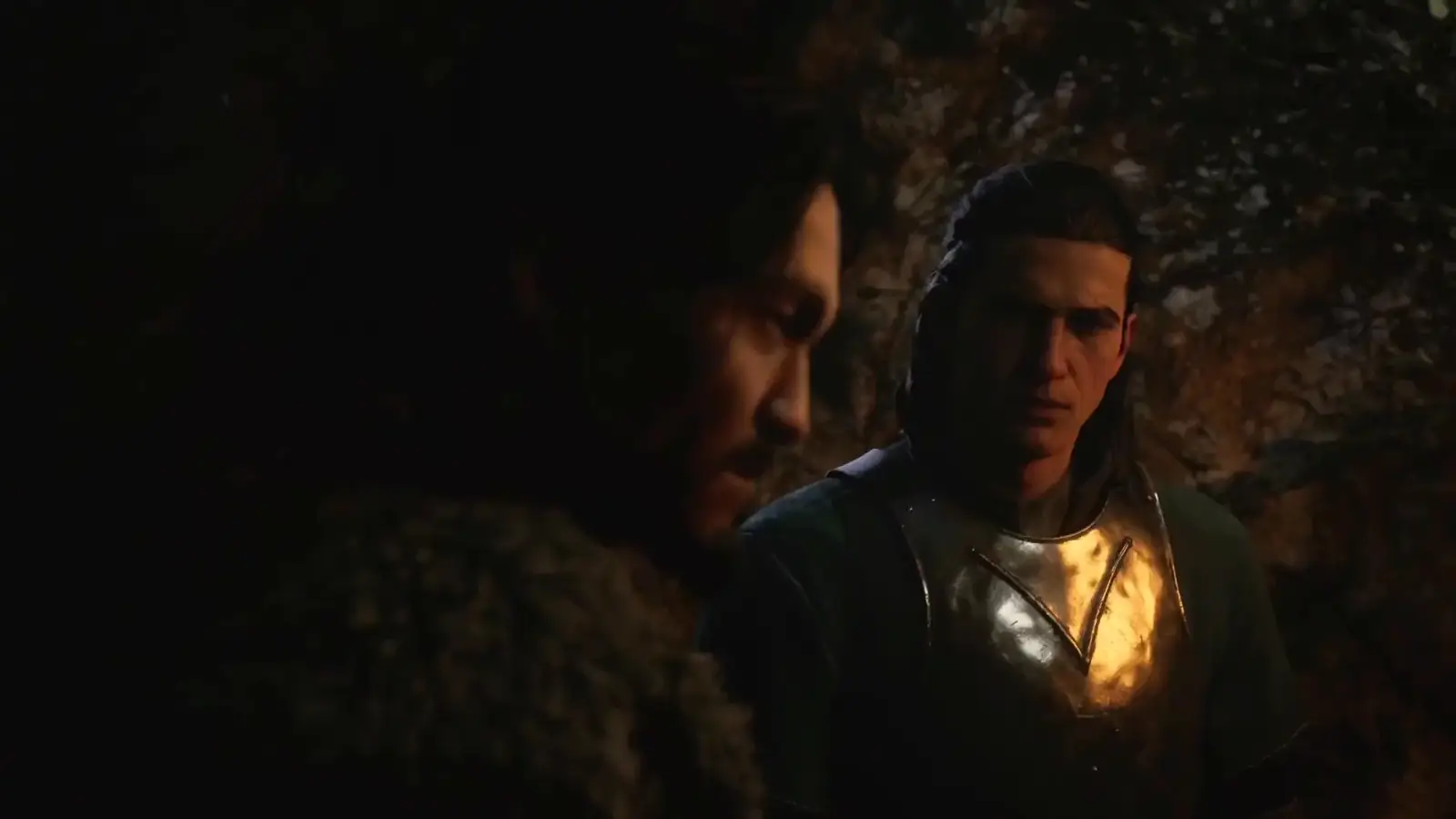
Combat guide
Directional sword combat, human witchcraft, vampire claws, feeding, progression and practical tactics for The Blood of Dawnwalker.
Guides
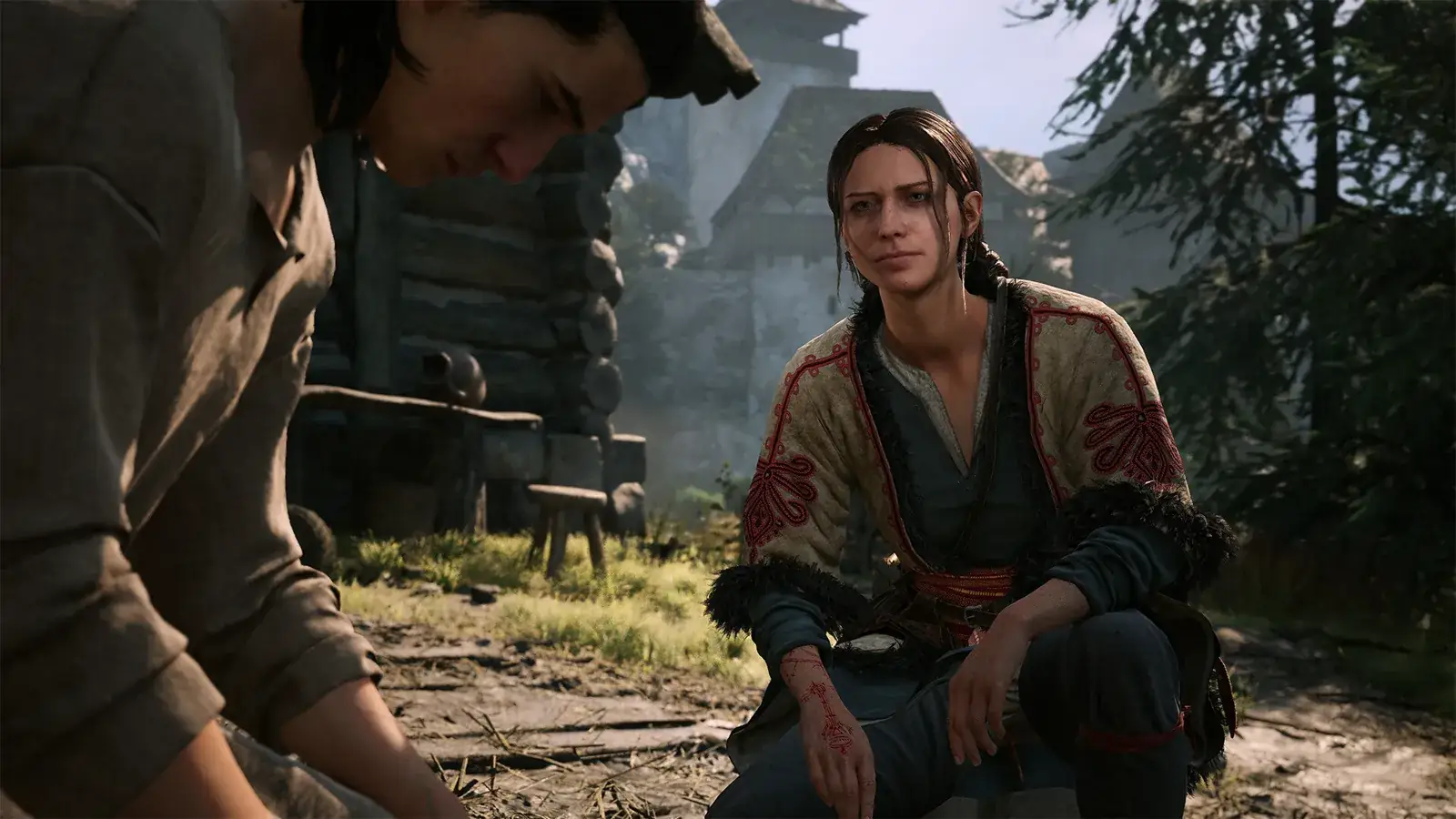
Early build and skills
A level-banded early build: free passives first, sword mastery as the backbone, then Soul Reaping by day and Corruption by night, with manuals and gear priorities.